Physical retail is not disappearing — it's evolving. As e-commerce expectations reshape customer behavior, brick-and-mortar stores must integrate digital capabilities directly into the in-store experience. RFID-enabled retail automation kiosks bridge that gap, connecting physical environments with real-time inventory, digital checkout, and unified commerce systems.
The mistake many retailers make is treating automation as a checkout alternative rather than infrastructure. Retail automation kiosks are not faster registers — they are access points into integrated commerce platforms that extend inventory, capture demand, and unify customer data across channels.
Retailers no longer compete solely on product selection — they compete on convenience, personalization, and operational efficiency. In-store automation enables physical stores to operate with the intelligence and flexibility customers already expect online.
What's Driving In-Store Retail Automation Today?
 The shift toward retail automation reflects structural change in how stores must operate:
Customer expectations and inventory limitations: Shoppers expect inventory visibility, product information, mobile integration, and frictionless checkout. Physical stores cannot stock unlimited SKUs, yet customers browsing in-store should access the same product selection available online. Endless aisle kiosks extend available inventory without increasing square footage, capturing demand that would otherwise be lost.
Labor pressure and operational efficiency: Retailers face staffing challenges, rising wages, and margin compression. Automation reduces checkout friction and queue congestion while enabling staff to focus on product expertise, customer service, and high-value interactions rather than transaction processing.
Technology integration requirements: Modern POS, CRM, inventory management, and loyalty systems must function as unified platforms. Retail automation kiosks serve as customer-facing interfaces into backend commerce systems, enabling seamless experiences across digital and physical channels alike.
Retail automation allows physical stores to compete with digital-native retailers without sacrificing the advantages of in-person engagement.
Core Retail Automation Strategies
Endless Aisle
Endless aisle kiosks extend a store's available inventory beyond what is physically displayed. Customers browse the full catalog, check real-time availability across locations and warehouses, and order out-of-stock items for home delivery or in-store pickup.
Rather than losing a sale due to limited shelf space or stockouts, retailers capture demand digitally while maintaining the in-store experience. This turns physical locations into fulfillment-enabled showrooms without requiring additional square footage.
Unified Commerce: Beyond Omnichannel
Omnichannel ensures consistent branding across platforms. Unified commerce goes further — it connects POS systems, inventory management, customer profiles, payment processing, and order fulfillment into a single operational ecosystem.
Retail kiosks become access points into that ecosystem, enabling customers to shop, pay, return, or reorder products seamlessly across channels. Purchase history, loyalty rewards, saved preferences, and payment methods follow customers between mobile, web, and in-store experiences.
The difference is not cosmetic. It is architectural.
Assisted Selling and Remote Expertise
Interactive retail kiosks can connect customers with remote sales associates via video, provide detailed product comparisons, integrate loyalty accounts directly into the shopping experience, and surface personalized recommendations based on purchase history.
This allows retailers to:
- Offer expert-level guidance without expanding in-store staffing
- Maintain brand consistency and product knowledge across locations
- Capture behavioral data on customer engagement and preferences
Retail automation enhances human interaction rather than replacing it.
Unified Commerce in Action
Consider a customer shopping for athletic footwear in a specialty sporting goods store. Through an integrated retail automation system:
- The customer scans a product displayed on the floor using a kiosk interface. The system shows real-time inventory across nearby store locations and the brand's warehouse.
- The customer adds items to a unified cart — combining in-store purchases with items for home delivery. Loyalty rewards automatically apply.
- Order confirmation includes tracking for shipped items and pickup notifications. Returns can be processed at any location.
The experience is continuous — not fragmented across disconnected systems. This differentiates modern retail automation from simple self-service terminals.
The Benefits of Retail Automation Kiosks
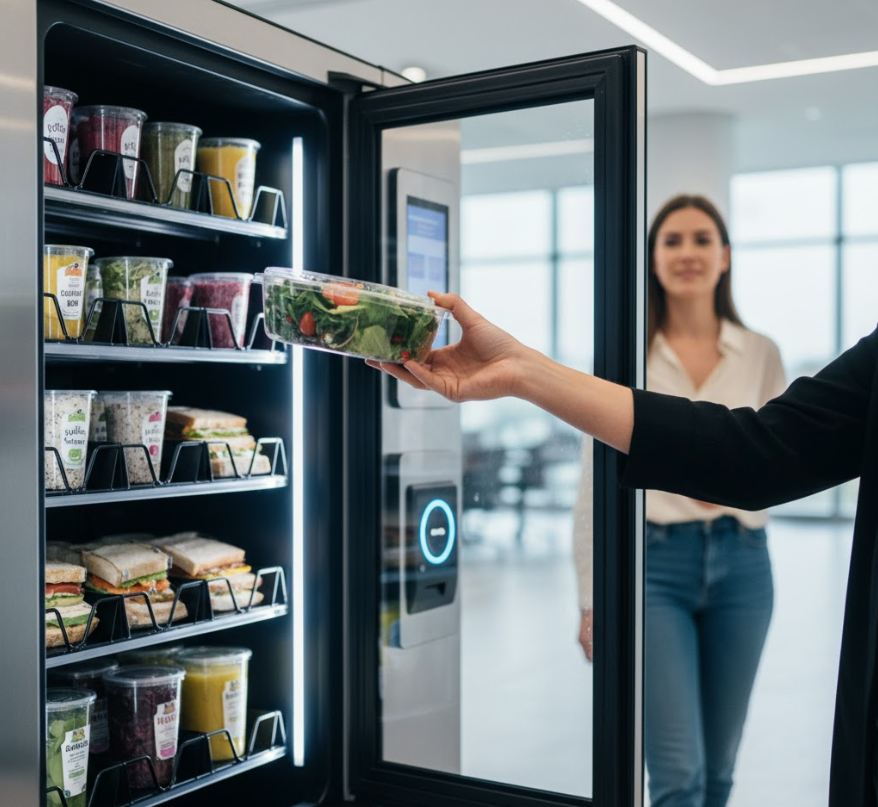 When deployed strategically as part of unified commerce infrastructure, in-store automation delivers measurable impact:
- Increased sales capture: Endless aisle prevents lost sales due to out-of-stock items or limited shelf space.
- Improved customer experience: Digital integration reduces friction and eliminates checkout queues.
- Operational efficiency: Automation enables staff redeployment to higher-value service roles.
- Data visibility and customer intelligence: Integrated systems provide actionable insights into customer behavior.
- Reduced real estate pressure: Endless aisle allows retailers to operate profitably in smaller footprints.
Retail automation is not about replacing staff — it equips stores with digital infrastructure that supports growth and competitive positioning.
Technology Integration Requirements
Effective retail automation requires more than kiosk hardware — it demands systems integration across the retail technology stack:
- Point-of-Sale (POS) Integration: Real-time transaction processing and unified checkout
- Inventory Management Systems: Live product availability and fulfillment routing
- Customer Relationship Management (CRM): Purchase history and personalization
- Payment Processing: Secure transaction handling supporting contactless payments
- Order Management and Fulfillment: Ship-from-store and BOPIS
- Analytics and Business Intelligence: Conversion analysis and merchandising insights
Retail kiosk software must function as middleware connecting customer interfaces to backend commerce platforms, not as standalone applications.