Interactive digital signage is quickly changing the way that businesses interact with their customers. An ever-evolving technology, interactive signage provides consumers with more choice, greater freedom, and a more engaging user experience.
Today, let us discuss the ways in which interactive digital signage is evolving and the benefits it can offer to many industries.
What is Interactive Digital Signage?
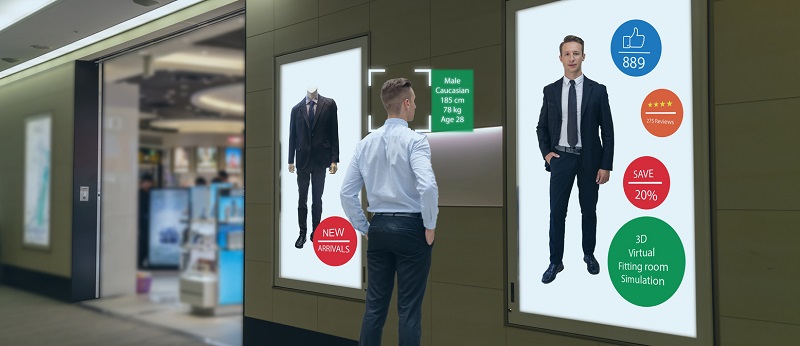
Interactive digital signage is a type of digital display that allows users to interact with them by either touch or other means, such as a mouse, keyboard or even a mobile phone. Consumers benefit from a more customizable experience, and businesses benefit by gaining greater insight into their customers’ preferences, which then allows them to better design future interactions that fulfill these users’ needs.
Why is Interactive Digital Signage Important?
Interactive digital signage is important as it can be used to deliver a number of different experiences to customers, increasing overall satisfaction with brands, products, and companies. This can include targeted advertising, interactive games, wayfinding, or providing an alternative and often, a more convenient place, to carry out various transactions, such as paying for an item or purchasing a ticket.
The Benefits of Interactive Digital Signage
Interactive digital signage provides an interactive display that can be tailored to fit a business’ needs. As opposed to other forms of signage, interactive signage can help showcase multiple brands, products, programs, and promotions, providing a flexible marketing channel that is easily updated and changed, often making it a more cost-effective option in the long run.
Some of the benefits include:
Enhanced Customer Experience
Interactive digital signage tends to be larger-scale, brightly lit and attractive, allowing companies to easily grab the attention of potential customers. Interactive displays provide a unique opportunity for leaving a lasting impression on a customer as they can interact with it on their terms and create an experience that is tailored to their own desires.
If the experience of using the signage is entertaining and intuitive, it helps burnish a company, product or brand’s reputation. For those customers who prefer to shop without the pressure of a salesperson, digital signage with transactional integrations allows them the freedom to browse or buy without the need for assistance.
Brand Recognition
As customers become increasingly familiar with using interactive digital displays, it helps enhance brand awareness and recognition. Over time, consumers will start identifying the displays and signage with a specific product, company, brand or service. If their experience with the signage has been positive, it can help improve customers’ perception of the business or products, making it more likely they would be willing to return or purchase again.
Increasing Brand Trust
Similar to brand recognition, brand trust is essential for creating a positive image. To ensure that brands’ images remain positive, many companies choose to utilize interactive digital signage to reinforce the good that they are doing out in the world by showcasing their work with charities, including charitable giving, or with specific important causes that would resonate with their core customers. This helps create a deeper level of trust between businesses and their customers and increases revenue over the long term due to the same customers’ loyalty.
Promotion/Advertisement
In addition to providing a better user experience, digital signage can help increase awareness of new products, programs, or special offers. As digital signage is large and easy to recognize, it provides an excellent channel to showcase anything new or exciting happening with a company or brand.
Cost-Efficient Dynamic Marketing
With the use of dynamic ad displays, interactive digital signage can be a cost-effective marketing solution, even if it requires an initial investment that is greater than static or paper signage. Dynamic ad displays provide the ability to show a rotating collection of multiple ads that are programmed remotely and stored on a cloud server.
This provides flexibility and also allows businesses to test the effectiveness of different ads. For example, if one ad provides a call to action, suggesting the viewer visit a specific website landing page, and another unique ad for the same product features different ad creative, such as copy and images, and features a different landing page address, companies can then tell which ad was more attractive to consumers, based on the amount of traffic each landing page receives.
Different Ways to Enable Interaction Through Digital Signage Displays
The purpose of interactive digital signage is to create a memorable customer experience while also increasing brand awareness. Below are some of the ways that digital signage can help improve the customer experience.
Touchscreen
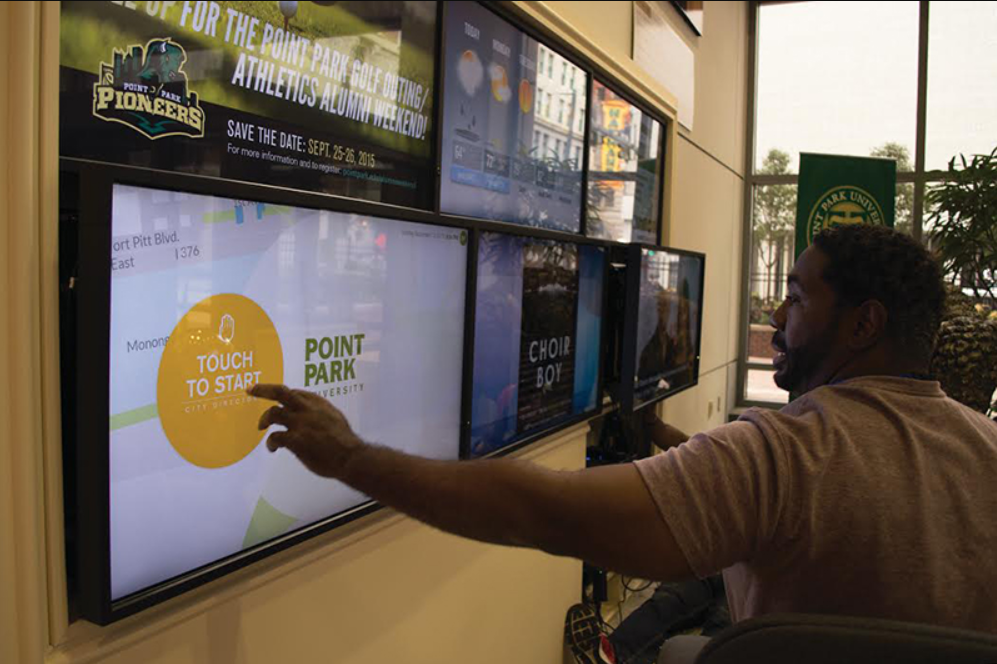
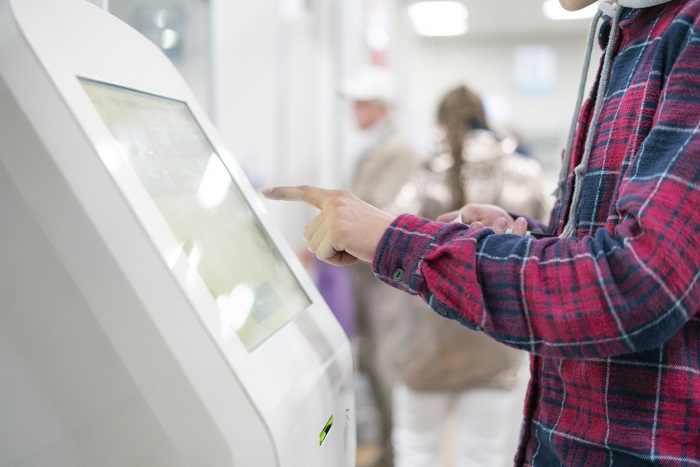
Touch screens provide an interactive solution that is easily accessible. Users simply need to touch the digital screen in front of them to access multiple choices. It is for this reason that touch screen signage is employed in so many industries today.
Augmented Reality
Becoming more common today, augmented reality provides users with an interactive reality that can entertain and engage users. This technology utilizes a large camera to map out an area, providing an entertaining augmented space for the user to interact with. This can include taking photos of the user “inside” of the the augmented reality environment.
QR Code
QR codes are scanned via users mobile phones, and generally open up a webpage in the phone’s browser. These codes can be used to store additional information that would be difficult to display effectively or attractively in person, such as details about artwork in a museum. They can also be used to create a more engaging experience through activities, such as a scavenger hunt, making the process of discovering them more entertaining.
Gesture Recognition and Human Motion Tracking
Gesture recognition and human motion tracking can be used in advertisements and games. Similar to augmented reality, gesture recognition and tracking can be used to entertain someone and create an engaging, memorable experience while promoting a brand or company.
Social Media
Social media, such as Instagram, Twitter, and Facebook, can provide an excellent, effective platform with which to interact with customers, giving companies greater insight into their wants and needs. An active social media presence can help expand brand awareness even further, especially with the help of social media influencers.
Interactive digital signage improves customer experience, allowing them to personalize their choices. Conversely, understanding customers’ choices allows organizations better provide the customers with better service and products. Creating a more engaging experience via interactive digital signage makes it easier to grow a healthy customer base that is more willing and able to advocate for the products and companies they trust.
Churches and other places of worship add value to communities in many ways. For instance, they can facilitate communication and understanding between younger and older generations, giving them a place and space to explore a common interest. One way to ensure a comfortable environment for worshipers of all ages is via digital technology that simplifies their visits, and makes them more willing to come back. Digital signage has become a popular choice for many religious facilities due to its multiple uses and applications. Today, we will discuss the benefits digital signage can bring to places of worship and how it can better a community.
What Does Digital Signage Include?
Digital signage provides an easy to read display that prominently displays information of all kinds. Depending on the size of the display, the software chosen, and the various components integrated, digital signage can offer many benefits a range of form factors:
Video Walls: Video walls utilize multiple displays to showcase a variety of information and images. They can be used together to create one large image, such as a photo of an entire congregation. Or they can be used individually to display unique information on each at the same time. For instance, one may offer the ability to search a member directory, another a list of upcoming events and services, a third could show a facility map, and a fourth an inspirational message. They are best placed in areas that receive heavy foot traffic, and can be used both to communicate and beautify a given environment. Utilizing a video wall in this way can help bring a sense of community to any place of worship, including churches, mosques and synagogues.
Transactional Kiosks: Transactional kiosks are a form of digital signage that is integrated with various software and physical components to enhance their interactivity and usefulness. These kiosks can be customized for a wide range of uses, from accepting member donations and printing tickets, to registering/paying for church-sponsored events. Transactional kiosks can be outfitted with components including printers, bill and coin collectors, credit card readers, and signature pads in order to meet these needs.
Wayfinding: Wayfinding kiosks are perhaps the most used form of digital signage, helping visitors navigate larger facilities that may be more confusing, especially to those unfamiliar with the environment. This can decrease stress and ensure visitors are able to make it to sermons, classes, offices, or events on time.
Why Should Religious Facilities Consider Digital Signage?
Digital signage can provide an important asset for synagogues, churches, mosques, and other places of worship, both in building community, and eliminating waste. Digital signage can offer a means to create awareness of the facility and the beliefs of those who attend, which can assist in getting the attention of young adults, something many religions are struggling with at the moment as attendance is declining in many places. It can also make older church members more comfortable by offering a bright, easy-to-read display for those with compromised vision. At the same time, digital signage decreases the need for paper flyers and handouts, eliminating the cost to print, as well as the environmental impact of utilizing unnecessary paper.
What Are the Benefits of Digital Signage?
Digital signage provides many benefits, including:
Direct Communication
Digital signage can provide a large amount of information, even when space is at a premium, to multiple people at once. It lessens the need to have additional personnel on hand to assist visitors and members. Because it can be updated quickly via remote locations, the information displayed is easy to keep up to date, giving everyone in attendance access to the latest news and events.
Customization
Digital signage can not only be updated easily, but it can also be customized for a wide variety of purposes. It makes rotating through different announcements, advertisements from local businesses, and event information -- all in the same place -- possible in a way that paper signage simply cannot match. This also allows any religious facility, from churches to mosques, to communicate a mix of relevant messages based on the specific audience they want to address, making that messaging more meaningful.
Multiple Applications
Digital signage functionality isn’t limited to showcasing simple images because true digital signage isn't simply a nice-looking television. Instead, it includes specialized hardware and software that are purpose-built to handle more than the display of attractive pictures. This means digital signage can be integrated with components to enhance its functionality, including printers, credit card readers, and bill collectors, and software that can handle wayfinding, ticket printing, and event registration.
Branding
The last benefit of digital signage is consistent branding and the ability to communicate messages of pride and inspiration to the church community. Digital signage can provide a clear and concise message that helps to promote the accomplishments of the place of worship's members, staff, volunteers, and religious leaders in a nonintrusive format.
Examples of Digital Signage in Churches
Digital signage is becoming increasingly common in churches and other places of worship, providing an information bank for those who don’t have immediate access to a smartphone or computer. Below are some examples of ways digital signage is being incorporated into religious facilities today.
Religious Holidays/Celebration
Attractively showcasing upcoming holidays and celebrations, as well as photos and images of past events, is one way to utilize digital signage in places of worship.
Bible Study/Classes/Event Organization
Digital signage can help can display the time, date, and location of important events, including things such as bible study, choir practice, and learning opportunities. By providing a consistent schedule that can be viewed digitally, these groups can easily maintain their schedules and make them available to the larger community.
Weddings
Digital signage can be used to display photos of the couple as well as a personal message from them, and information regarding the ceremony and reception, including date, time, and place. This helps create a welcoming environment that is customized for the attendees.
Funerals
Digital signage can be used to display pictures from the life that attendees are there to celebrate, helping to remember them in a positive way.
Bar/Bat Mitzvahs and Other Religious Events
Today, digital signage in places of worship can be useful to help organize and display information regarding important religious events such as bar and bat mitzvahs. They can provide a schedule of events along with location, and display pictures of the person being celebrated. For those that don’t have access to a smart device, digital signage can also make it easy for those to follow along by providing religious texts onscreen so they are able to follow along with the ceremony.
How to Find a Trustworthy Digital Signage Partner
Finding the right company with which to partner to create the right digital signage solution for your school or university environment and purpose can be complicated. Reading reviews, consulting with different manufacturers and doing your own research will all be important to the process. Installation and maintenance of the kiosk or digital signage should also be considered when reviewing options.
Why Choose REDYREF for Digital Signage
Digital signage provides an invaluable service for places of worship and their communities. REDYREF is a leader in kiosk and digital signage manufacturing and one of the most trusted names in the industry. From digital signage solutions for religious institutions and restaurants to COVID-19 temperature taking kiosks, REDYREF manufactures kiosks tailored to all of their customers' needs.
Digital signage is a growing trend and today we will discuss why it is an invaluable tool at every level, from elementary and middle grades to high school and college. By keeping students informed, digital signage ensures that students of all ages as well as faculty are kept safe and can focus on learning.
What does digital signage include?
Digital signage provides an easy way to display important and/or timely information in a highly visible format. These kiosks can be spread throughout school campuses at areas with substantial foot traffic to ensure students are always informed about current school events and happenings, as well as other information such as local and international news and weather. Some schools choose to use digital signage to sell advertising space for area businesses, too, as a form of incremental revenue, in order to support school activities and other similar initiatives.
What types of digital signage are used in schools and universities?
Video Walls: Video walls utilize multiple displays to showcase a variety of information and images. They can be used together to create one large image, such as a photo of an entire graduating class. Or they can be used individually to display unique information on each at the same time. For instance, one may update the weather, another could show a school calendar, while the display next to it offers a map of the campus. They are best placed in areas that receive heavy foot traffic, and can be used both to communicate and beautify a given environment.
Transactional Kiosks: Transactional kiosks are a form of digital signage that is integrated with various software and physical components to enhance their interactivity and usefulness. Kiosks can be customized for a wide range of uses, from printing tickets to prom or sporting events, to tuition payment, and can be outfitted with components including printers, bill and coin collectors, credit card readers, and signature pads.
Wayfinding Kiosks: Wayfinding kiosks are perhaps the most common form of digital signage, and can assist students in navigating larger campuses. This can decrease stress, especially for new students, and ensure that they get to classes, buildings, offices and events on time. Through the use of wayfinding, a student will learn to familiarize themselves with the campus grounds at a much faster rate than a campus without a wayfinding system set up.
Why should schools and universities consider digital signage?
Digital signage provides an important means for schools to communicate directly with students, staff, and visitors. It can be updated quickly, easily, and via remote means to ensure all information, from events to changes in class locations, is up-to-date. It can also be used to disseminate critical guidance in the event of an emergency.
What are the benefits of digital signage for schools?
Digital signage can provide a large amount of information, even when space is at a premium, to multiple people at once. It lessens the need to have additional personnel on hand to assist visitors and vendors. Because it can be updated quickly via remote locations, the information displayed is easy to keep up to date, giving everyone on campus access to the latest school news and events.
Customization
Digital signage can not only be updated easily, but it can also be customized for a wide variety of purposes. It makes rotating through different school announcements, advertisements from local businesses, and event information -- all in the same place -- possible in a way that paper signage simply cannot match.
Multiple Applications
Digital signage functionality isn’t limited to showcasing simple images because true digital signage isn't simply a nice-looking television. Instead, it includes specialized hardware and software that are purpose-built to handle more than the display of attractive pictures. This means digital signage can be integrated with components to enhance its functionality, including printers, credit card readers, and bill collectors, and software that can handle wayfinding, ticket printing, and event registration.
Branding/School Pride
The last benefit of digital signage is consistent branding and the ability to communicate messages of school and student pride to the school community. Digital signage provides a clear and concise message that helps to promote the accomplishments of the school, students, staff, alumni, and educators in a nonintrusive format.
Examples of Digital Signage in Schools and Universities
Digital signage is quite commonplace in schools and universities. Below are some examples found in many schools today.
School Welcomings
Keeping students up to date regarding school events is perhaps the most valuable use of digital signage. Digital displays can be spread throughout the campus, both indoors and outdoors, to inform students of important dates, providing directions for those lost on their first days on campus, and to assist with orientation as well.
General School Announcements
Digital signage helps to provide general school announcements such as lunch menus, important dates, holidays, days off, weather updates, and can even be used with software that provides a constantly-updated social media feed to help keep students informed.
Upcoming School Events & Activities
From parent-teacher conferences and graduation dates, to social events like dances, digital sigange can provide up-to-date information. It can also be used to communicate during emergencies in the case of a fire, severe weather, or lockdown situation.
Campus News
Digital signage helps to spread campus news without the need for daily announcements and can track things such as club and sporting events for those who are interested.
School Polling Results
For school elections, digital signage helps to digitize much of the process, providing a quick and accurate way for students to get the results much more quickly.
How to Find a Trustworthy Digital Signage Partner
Finding the right company with which to partner to create the right digital signage solution for your school or university environment and purpose can be complicated. Reading reviews, consulting with different manufacturers and doing your own research will all be important to the process. Installation and maintenance of the kiosk or digital signage should also be considered when reviewing options.
Why Choose REDYREF for Digital Signage
REDYREF is a leader in kiosk and digital signage manufacturing and one of the most trusted names in the industry. From wayfinding solutions for college campuses and self-order kiosks for restaurants, to COVID-19 temperature taking kiosks, REDYREF manufactures kiosks tailored to organizations' specific needs via a collaborative design process.
Digital signage provides an invaluable service for schools, students, faculty, staff, and visitors. By giving them easy access to information and services, digital signage helps to ensure that everyone on campus is kept safe, secure and well informed.
Digital directories are an important yet overlooked portion of many businesses today. Besides providing an easy format to view information, they help to reduce customers' and visitors' stress while being remarkably easy to use. So today, we will discuss why digital directories are an invaluable addition to office buildings, hospital campuses, and other large-scale, multi-location environments.
What is a digital building directory?
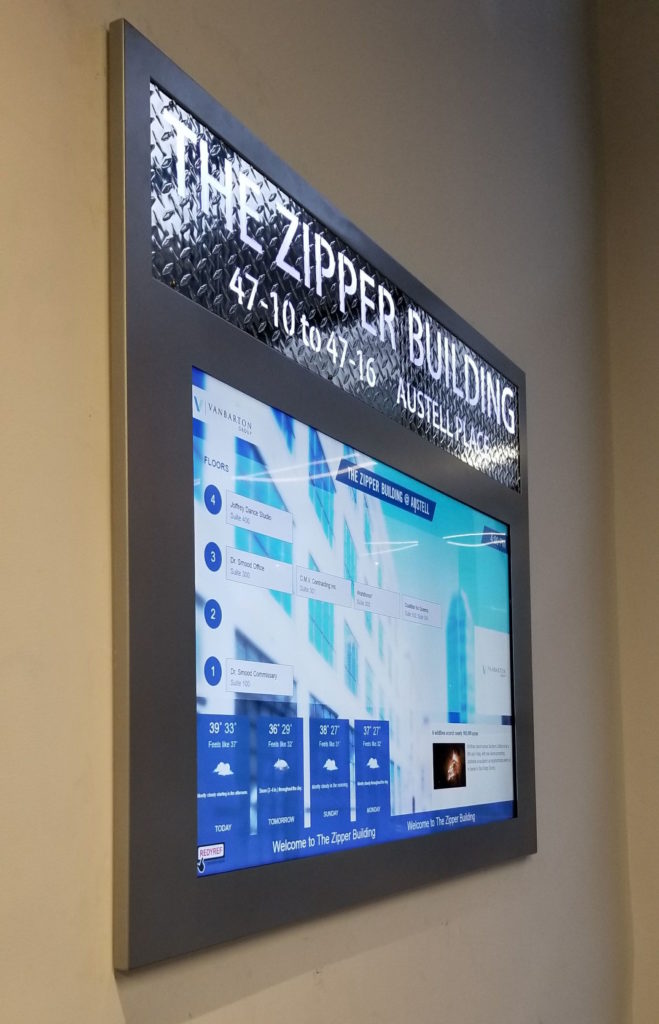
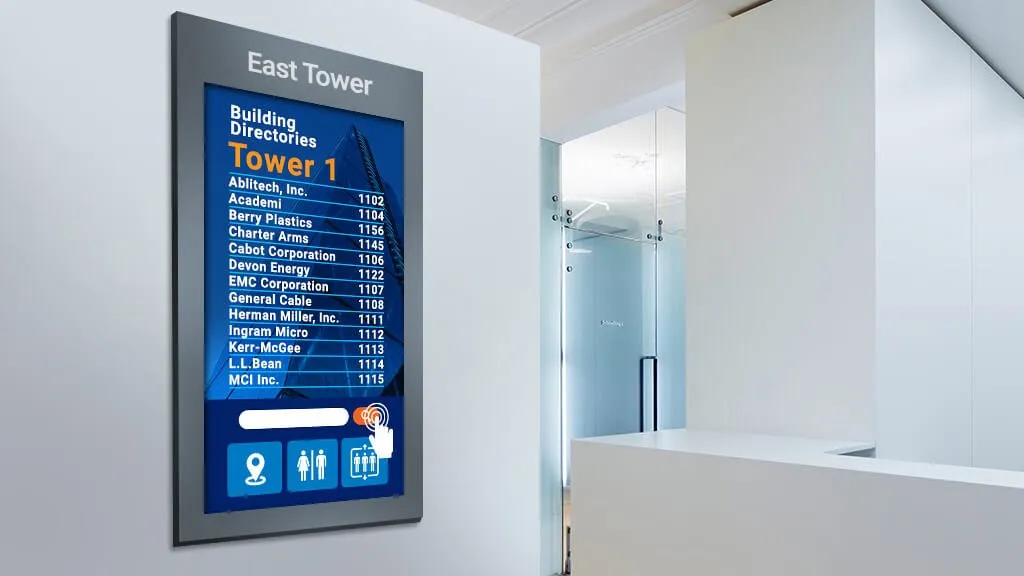
A digital directory consists of a static or touchscreen display, a media player and digital signage software. One of the greatest strengths of digital directories is their ability to display current information at all times, whether local area information, events, office locations, news or weather. Depending on the size and interactivity of the display, information may remain static, or rotate through various screens.
Why are digital directories important for visitors and guests?
A digital building directory is important for visitors and guests as it offers them an easy way to access information about their surroundings. They appreciate the ability to access information on their own terms, rather than needing to waste time finding someone who can help them, therefore speeding up the process.
Examples of businesses that use digital directories
Hospitals: Hospitals employ directories to help visitors and patients find various areas including labs and specific departments, as well as personnel
Commercial: Office buildings utilize digital directories to assist visitors in finding various businesses or offices
Retail:Commercial entities use digital directories to help guests locate specific stores or departments
Residential: Residential companies employ directories to display tenants and help visitors locate them more easily
Government buildings: Government buildings utilize directories to display employee office locations, courtrooms, and departments
Digital vs analog directories
Directories are important assets for many organizations, but many people do not understand the difference between digital and analog directories. Directories that need to be updated continually generally find that investing in a digital solution is well worth it over time. Below we will discuss the differences between the two.
Benefits of digital directories
Digital directories offer companies benefits that manual directories simply cannot. The two most important are efficiency and accuracy. Digital directories are quick and easy to update, allowing organizations to provide the most current information at all times. Below are some additional benefits to going digital.
Accurate and up-to-date information at all times
Attractive form factor
Easy to use for visitors and guests
Easily updated in a short amount of time
Easy to view
Time-saving
Cons of manually-updated directories
For those who don’t trust digital formats, manually-updated directories are always a reliable, if slow, option. However, beyond the positive of being reliable, there are some drawbacks to manual displays.
Updates cannot be quickly or easily made
Less modern and attractive than their digital counterparts
Information is often out of date
Time-consuming to maintain
How much do digital directories cost?
For digital directories, there are usually two primary costs involved: one for the display itself and another for the software. Software cost can vary greatly depending on functionality, but in general, expect to pay between $1800 and $2900 per unit. Displays are also available at a wide variety of price points -- $600-$2500 on average -- with the high end representing larger units with interactive touchscreens.
How do digital building directories work?
Most digital building directories are fairly straightforward to operate:
Location selection: Choose an area with good visibility. Turn-key digital directory providers like REDYREF offer installation services, which can be valuable for more complex environments or solutions
Set up the software: Most reputable companies will ship directories with the selected software pre-installed
Load content: This can include many different variables and what is possible is completely dependent on what type of software was purchased. Most companies offer training on how to upload and change the directory's content, including lists of companies, personnel, tenants, offices, departments, building information, and services.
Update consistently: Provide frequent updates to your directory so that the most pertinent information is always displayed.
Companies like REDYREF also offer physical installation services, as well as maintenance and service contracts.
Commercial Digital Signage Displays vs. TVs: What's the Difference?
Digital screens are now foundational to how people navigate buildings and public spaces. From digital building directories and interactive wayfinding kiosks to elevator bank signage systems, lobby information boards, advertising networks, and video walls, these systems shape visitor experience and operational efficiency.
At a glance, many commercial displays resemble standard flat-screen televisions, but they are not built for the same job.
If you're planning a digital directory, deploying wayfinding software, or installing elevator signage in a commercial environment, understanding the difference between a commercial digital signage display and a consumer television is critical.
What Is a Commercial Digital Signage Display?
A commercial digital signage display is a purpose-built screen engineered specifically for business and public environments.
Unlike residential TVs, commercial displays are designed for:
16/7 or 24/7 continuous operation
High ambient light conditions
Portrait or landscape mounting
Integration with centralized content management systems
Remote monitoring across multiple locations
Installation within kiosks and architectural enclosures
A consumer television is designed primarily for residential entertainment.
It typically includes:
Built-in streaming applications
Integrated speakers
Remote control operation
Energy-saving standby modes
Limited daily runtime expectations
TVs are optimized for intermittent use in controlled home environments — not continuous operation in high-traffic commercial spaces such as healthcare facilities, campuses, transit hubs, or mixed-use developments.
Commercial Digital Signage vs. TVs: Side-by-Side Comparison
Feature
Commercial Digital Signage
Consumer TV
Designed For
Public & commercial environments
Residential use
Duty Cycle
16/7 or 24/7 operation
Limited daily runtime
Brightness
High for well-lit spaces
Optimized for home viewing
Portrait Mounting
Fully supported
Often not rated
CMS Integration
Built for centralized management
Limited
Warranty
Commercial-use coverage
Residential-only coverage
Enclosure Integration
Designed for kiosks & custom installs
Standalone device
Key Differences That Matter for Directories & Wayfinding
Continuous Operation
Digital directories and wayfinding systems often run all day — sometimes around the clock. Commercial displays are engineered for extended runtime with proper thermal management. Consumer TVs are not designed for constant public-facing use and may degrade more quickly under those conditions.
Lobby entrances, glass storefronts, atriums, and airport terminals create high ambient light.
Commercial digital signage displays provide higher brightness and anti-glare performance, ensuring visibility in environments such as digital elevator bank signage and interactive campus wayfinding kiosks. TVs can appear washed out in similar conditions.
Portrait Orientation & Custom Mounting
Most digital building directories and elevator signage systems are mounted vertically.
Commercial displays are rated for portrait orientation and are engineered to integrate cleanly within custom kiosk enclosures. Many consumer TVs are not designed for vertical mounting and may encounter heat distribution issues or warranty limitations.
Centralized Content Management
Modern informational systems rely on centralized content control.
A true wayfinding software platform or digital directory solution requires remote updates, tenant changes, event scheduling, and real-time content adjustments. Commercial signage displays are built to integrate with enterprise kiosk management systems that support multi-location management.
TVs, by contrast, are primarily designed for HDMI input and local remote control use.
Long-Term Cost of Ownership
While consumer TVs are less expensive upfront, long-term use in commercial environments can lead to:
Shorter lifespan
Higher failure rates
Increased replacement frequency
Warranty complications
Commercial displays are engineered for reliability and durability in public-facing installations, which typically reduces lifecycle disruption.
If You're Comparing TVs vs. Signage, You're Likely Deploying One of These Systems
Most organizations evaluating this decision are implementing:
Digital elevator bank signage for tenant listings and building communications
Lobby information boards for events and announcements
Advertising and media displays in retail, transit, or smart city environments, like the large-format signage REDYREF built for NY Waterway's ferry terminals
Each of these deployments requires more than a television mounted on a wall. They require engineered systems that combine commercial-grade hardware, enclosure design, and centralized software integration.
Digital Signage Systems Require More Than a Screen
A complete directory or wayfinding deployment typically includes:
Commercial-grade display panels
Custom enclosure or kiosk integration
ADA-compliant mounting
Environmental and thermal management
Network connectivity
Centralized content management software
An integrated approach ensures performance, scalability, and long-term reliability — particularly in high-traffic public environments.
When a TV Might Work — and When It Won't
A consumer TV may be appropriate for:
Temporary installations
Small office environments
Limited daily runtime
Non-critical internal messaging
A commercial digital signage display is recommended when:
The system runs 16/7 or 24/7
The display is mounted vertically
The environment is bright or high-traffic
Remote content management is required
Multiple screens must be centrally controlled
Reliability directly impacts visitor experience
Why the Distinction Matters
Digital directories, wayfinding systems, elevator signage, and public information boards function as operational infrastructure.
When they fail, the impact is immediate:
Visitor confusion
Tenant dissatisfaction
Reduced advertising effectiveness
Brand inconsistency
Operational disruption
Commercial signage hardware is engineered to support these environments reliably and at scale.
Choosing the Right Display for Your Digital Signage Project
For digital directories, wayfinding kiosks, elevator signage, and other public-facing systems, the screen is only one part of the deployment. REDYREF helps organizations select the right commercial-grade display, enclosure, software, mounting, and management setup for the environment where the system will operate.
Planning a digital signage, directory, or wayfinding project?Contact REDYREF to discuss the right display and kiosk configuration for your space.
Frequently Asked Questions
What is the difference between commercial digital signage and a TV?
Commercial digital signage displays are engineered for continuous public use, higher brightness, portrait orientation, and centralized content management. Consumer TVs are designed for residential entertainment and intermittent operation.
Can you use a TV for a digital directory?
A TV can technically display directory content, but it is not recommended for long-term commercial deployment due to duty cycle limitations, mounting constraints, and warranty risks.
Is commercial digital signage better for elevator bank signage?
Yes. Elevator bank displays often operate continuously and are mounted vertically. Commercial displays are engineered for these environments.
Why are commercial digital signage displays more expensive?
They are built for durability, brightness, enterprise integration, and commercial warranties, resulting in lower long-term replacement and maintenance costs.
Digital directoriesprovide the invaluable service of helping visitors and guests locate stores, businesses, office locations, or specific individuals. In fact, they have become so commonplace that consumers often have the expectation that they will be available practically on-demand, whether they are visiting airports, malls, or hospital campuses.
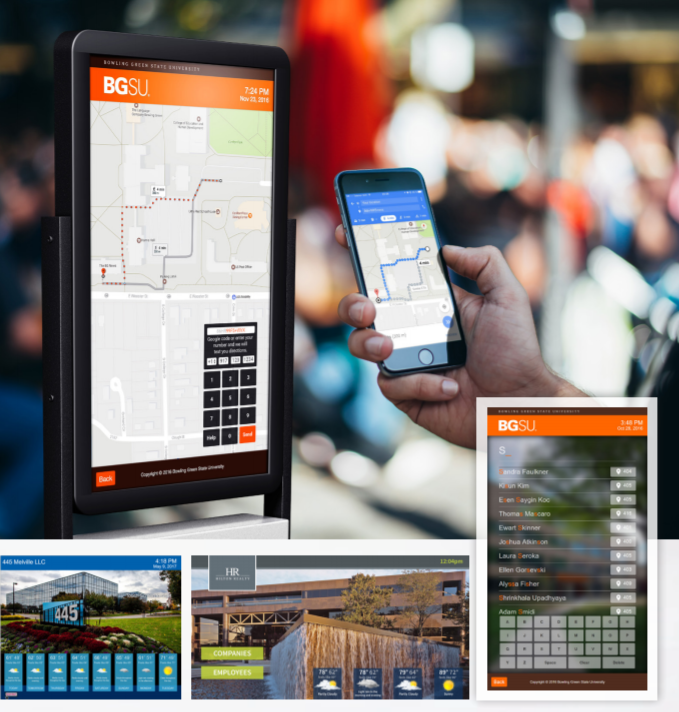
Besides lists of location data and maps, digital directories can also provide local area information, including weather, transportation options, and digital advertisements. The most advanced directories include wayfinding as well, offering directional assistance in the form of lighted paths and even transfer of map data to mobile phones via SMS.
What is a digital directory?
A digital directory an electronic catalog or list of information that displays the location of people or places. It can be interactive, touchscreen, or static, but the basic purpose of a digital directory is to help an end-user find something or someone.
One of the most common environments in which to find a digital directory are shopping malls. Here they are used to provide information on where to find each and every store, restaurant, or service in the mall’s vicinity. Another popular type of digital directory are the interactive wayfinding kiosks found in office building lobbies. These give visitors not only the location of specific departments, businesses, and individuals, but are able to guide guests via specific directions as well.
What businesses use digital directories?
The three most common environments for digital directories are large, commercial office buildings, shopping malls, and airports. They can be found in many other locations as well, from hospital campuses to government buildings, and new and unique ways to utilize digital directories are constantly being developed and deployed. Digital directories can be helpful in any location that houses multiple places of business, departments, or people.
Digital Office Directory
Offices often employ digital directories to carry out a range of different functions. Single-business locations with many employees may use them primarily to help visitors locate specific individuals. Some very large companies with multiple buildings even find it helpful to develop directories so that their own employees can find each other more easily. Multi-tenant office buildings use digital directories to help guests find the business they are visiting, or to assist vendors in navigating a new environment without wasting precious time. Finally, they can be very useful in automating visitor self-check-in, saving receptionists time and creating a more secure building where visitors whereabouts can be more easily tracked.
Malls
Malls use digital directories to help guests find stores, restaurants, or services. Since malls typically house a vast array of different places, it is important to help individuals easily find what they’re looking for, a task made much easier with a digital directory. The directory shows all stores located within the mall’s vicinity, making it simpler and less frustrating to navigate. Additionally, since they tend to be placed in prominent areas and used heavily, mall directories are often used to display digital advertisements as well.
Airports
Airports employ digital directories as a means of locating departure and arrival gates, baggage claim and flight check-in. Because airports around the world have been upgrading their environments to increase profits, many now contain a wide range of businesses, from high-end retail and restaurants to services such as massage therapy. Since most airports see heavy foot traffic on a near-constant basis, making an airport layout readily available is incredibly important to ensure that all passengers get to their flight on time.
Bus Stops and Stations
Bus stops utilize digital directories most often to display arrival and departure times to travelers. They can also display local area information, maps, and digital advertisements. They can be interactive, or static, depending on the use case, and may include additional components or software for ticket payment and dispensing.
Hotels
Hotels utilize digital directories to display locations of conference rooms, restaurants, and services. Giving guests the opportunity to find their own way takes some of the burden off of hotel staff, which in turn allows that staff to spend time on more complex guest interactions and queries. Digital directories also give guests the freedom to help themselves, saving them time waiting in line for assistance from a staff member.
What is the cost of a digital directory?
The cost of a digital directory varies greatly depending on the display size, integrations, and components chosen, as well as the desired functionality, but in general, an entry-level directory will start at around $1495 when it is designed around a non-touch directory, rather than a touchscreen display. Non-touch displays are less expensive than touchscreen displays, but still excellent for providing the basic functionality of a digital directory. The downside is that they tend to be a bit more limited in their functionality when compared to larger sized displays enclosed in a kiosk. Medium-to-large sized directories are more expensive -- starting at around $2495 -- but offer more flexibility. For reference, those located in malls and airports would be considered medium or large directories, while those intended to handle hotel check-in would be considered small.
Choosing Digital Directory Software
When it comes to digital directory software, there are several factors to consider. First and most importantly is your budget. Software can add significant cost to digital directories, so it is important to understand exactly what your goal is and how you intend to approach it. Major factors to consider are the complexity of the software, how many instances you will require, whether you will need interactive functionality, the user interface/visual aesthetics, and how the kiosk software will be updated and maintained.
Software complexity refers to how difficult it is to install and maintain without any outside assistance. Some software is very simple and intuitive, while other programs are more complicated, so it is important to understand the limitations of your business in terms of IT resources/knowledge before installing something that may require additional outside help.
Owning or deploying multiple instances of software can also add complications (and cost), so it is important to identify whether or not you will need to run a number of instances, or if one will suffice. Interactive functionality of directory software also varies, so it is important to know which user interface is best for your application. Simpler programs may only display a static list of people or places, while software intended for touchscreen or interactive directories will generally cost more.
Aesthetics should also factor into directory software choice; some environments may necessitate a more streamlined user interface, while others may be better suited to something more complex, with additional functionality.
Finally, digital directory maintenance can be complicated, so it is important to consider whether or not to purchase a post-deployment service plan. The more complicated the software, the greater the chance a service plan may make sense for your company.
Ultimately, all of the above factors should be weighed carefully so as to select the right mix of functionality with regard to overall cost.
REDYREF Interactive, an industry leader in self-service kiosk design and manufacturing, has released its latest software suite: enGAGE.Touch. This platform is built on the foundation of REDYREF's digital directory software module, which can be used aloneor integrated with advanced digital wayfinding and visitor management modules for more complex needs.
Riverdale, NJ (PRWEB) July 11, 2017 REDYREF Interactive has launched a new and innovative wayfinding software suite: enGAGE.Touch. The core of this system is the cutting-edge digital building directory module, which can be seamlessly integrated with additional software modules and semi-custom enclosures for environments that require more complex solutions.
Innovative, Modular, Intuitive Electronic Building Directory Systems
REDYREF’s enGAGE.Touch digital building directories go further than just helping visitors to quickly locate companies, departments or personnel, says Will Pymm, Vice President and Managing Partner. “The new enGAGE.Touch Mobile Handover feature makes it easy for guests to transfer maps and directions from the directory right to their smartphone. Integration with Google Maps means wayfinding information is always accurate and up-to-date, not just within the facility, but also for those requiring assistance with the surrounding area. It’s truly an all-in-one solution.”
Digital Directories Developed with Flexibility in Mind
enGAGE.Touch electronic directory systems may be customized to meet a wide range of business needs, including support for multiple floor and campus maps. User experience is enhanced by allowing interactive directory search by multiple criteria, including employee, company, department, floor or room name/number. Updates are simplified by allowing editing permissions to be granted to multiple users, including office tenants.
An Electronic Directory for Every Environment
With multiple opportunities for customization, enGAGE.Touch digital directory software is the premier choice for multiple deployment environments. From electronic lobby directories to educational campus signage, the easy-to-use, interactive directory interface enhances visitor satisfaction by reducing the stress of wayfinding, and tenant satisfaction by allowing anyone with access to manage their own data, reducing and often eliminating common data entry issues. Visitors and tenants alike benefit when critical building and campus updates and information are communicated digitally and able to be updated as needed.
Integrated Software and Kiosk Enclosure Solutions, Simplified
enGAGE.Touch electronic building directory software was developed to be integrated with any of REDYREF's kiosk enclosures, all of which are designed and manufactured in-house. From custom, built-to-order digital building directories, to modular self-service kiosks from the semi-custom enGAGE line, REDYREF's kiosk enclosures can be tailored to the exact use case and environment. When combined with the new enGAGE.Touch software suite, guests are able to navigate a single office building or a large multi-facility campus using detailed floor and campus maps, ensuring they are able to reach their intended destinations on-time and without unnecessary stress or frustration.
About REDYREF
Established more than 100 years ago, REDYREF Interactive is a vertically-integrated manufacturer and developer of electronic building directories, digital wayfinding solutions and self-service kiosks.
RedyRef has completed the installation of Sarasota-Bradenton International Airport (SRQ)’s first interactive wayfinding kiosk in Manatee County, Florida. The installation features the new enGAGE H-Series, a 42” modular touchscreen kiosk that was designed to help travelers find any location within the airport’s footprint. This includes airport gates, restaurants, restrooms, baggage claim and any other services airport visitors may need.
The Sarasota project presented some unique challenges for our design team. One of the primary requirements of the solution was to ensure users did not have to search via keyword or click through multiple screens in order to find the needed information.
REDYREF's team of software developers rose to the occasion, designing a deceptively simple user interface capable of effectively housing and organizing many layers of complex information. This one-screen solution features a navigation menu on the left, and a map of the airport on the right, which allows users to simply select an area on the menu with a single touch, and immediately see the chosen area highlighted on the map along with their current airport location.
The kiosk is also easy to maintain by airport employees. Said REDYREF Managing Partner, Will Pymm, “Besides offering travelers an enhanced customer experience, Sarasota’s new wayfinding kiosk was designed to be easily updated or refreshed either via smartphone or computer. We believe this kind of software functionality is essential to the success of a kiosk in a busy, at times even chaotic environment, like that found in an international airport.”
Besides its intuitive UI, the new Sarasota airport kiosk is also one of the first live deployments of the REDYREF enGAGE H-Series kiosk. This modular, freestanding enclosure combines sleek, powder-coated steel construction with an extensive range of available options including an expansive array of other hardware components and integrations. Although the H-Series comes standard with a 42″ LCD monitor, it may be built with other display sizes when required.
Considering wayfinding kiosks or digital directories for your company?
Contact REDYREF today at (800) 628-3603 today or request a quote online and we’ll be with you every step of the way to ensure that your interactive kiosk, wayfinding or digital visitor management program meets every one of your business’ unique needs and goals.
Both interactive and static digital wayfinding solutions have found homes in almost every area of industry. Although commonly part of the conversation in retail and business environments, the public sector is also making a strong case for these types of use cases as well. This week, we’ll take a look at some of the interesting ways touch and non-touch wayfinding technologies are being deployed in military domains.
The Size and Scale of American Military Bases Necessitate Clear Wayfinding Solutions
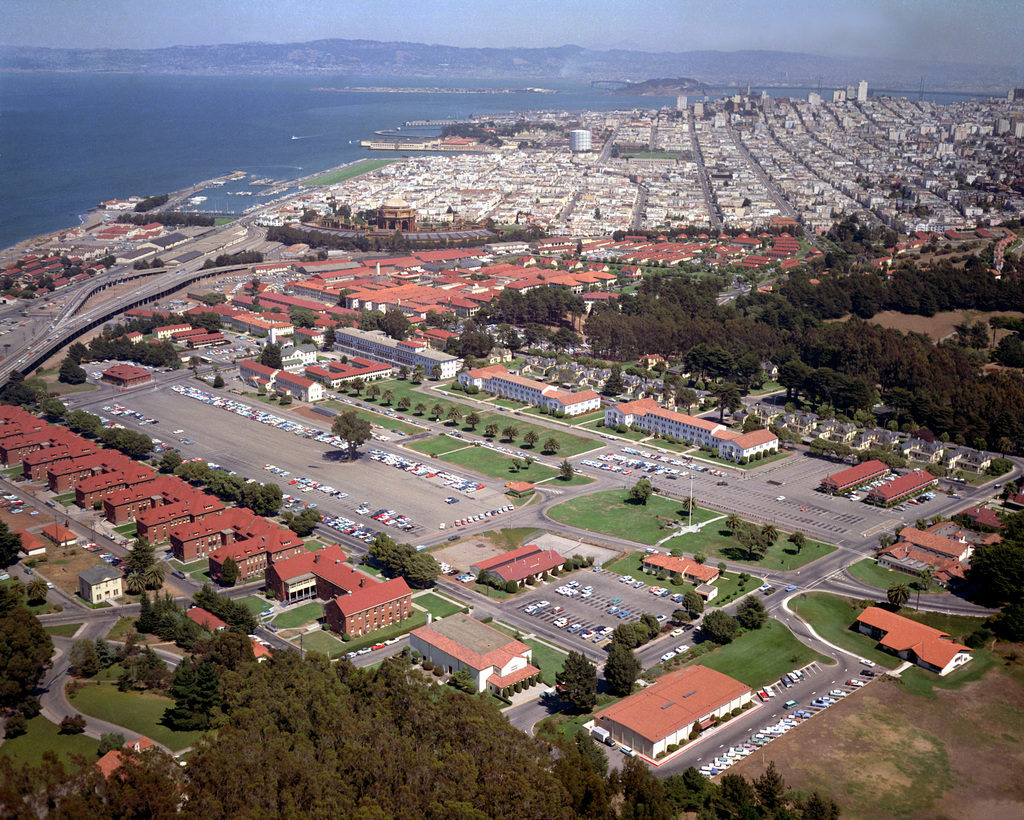
Anyone who has ever visited or lived on an Americanmilitary base understands that to say that they are large would be an incredible understatement. To illustrate the incredible size take a look at this short list of some of the largest bases in the US:
Fort Bragg (NC): Population: 238,646; Area: 255 sq mi
Fort Campbell (KY): Population: 234,914; Area: 164 sq mi
Fort Hood (TX): Population: 217,003; Area: 336 sq mi
Joint Base Lewis-McChord (WA): Population: 209,486; Area: 646 sq mi (!)
It’s easy to see how digital wayfinding and signage would play an important part in keeping military bases running smoothly. This is especially true when you consider that some, like those above, have populations that are more than 10x the size of the average American town (pop. 20,000).
How the U.S. Military Uses Digital Signage and Wayfinding on Bases
So how does the military utilize digital technologies to simplify life on base? One is to streamline communications. Much like in an actual city, there are events, meetings and initiatives that need to be shared with both individuals and departments on a macro level. That type of information is more general and can be pushed out from a central location and easily changed, even multiple times per day.
Then there is information that needs to be customized for different areas of the base and for different audiences. Military bases are home to not just active-duty soldiers, but also their families and often retirees. They also employ thousands of civilians to carry out all of the many duties that must be taken care of on a daily basis, from PX staff to IT professionals. Each segment of the population -- even for those that do not live on base -- can be easily and appropriately messaged based on their status, role and location. The military also utilizes digital signage for emergency messaging to help keep their population safe. Because this type of signage can be so quickly changed out, it is easy to keep an audience of almost any size actively informed about any issues that may arise.
Interactive wayfinding can play a critical part in making life on base easier, especially for the thousands of visitors that regularly come through for reasons such as supplies delivery or specialized training. With hundreds of square miles to navigate and what likely feels like countless (seemingly identical!) buildings spread out over that area, it is imperative that negotiating that space is made as efficient as possible -- especially in case of an emergency.
Ready to make the leap into high-tech digital signage or interactive wayfinding kiosks? Our experts are available to assist government and military agencies of all sizes in developing a program that fits their specific needs; just give us a call at (800) 628-3603 ext 525 or submit a request for proposal online and our team will be with you every step of the way.
Digital signage and interactive wayfinding have found homes in almost every area of industry. It’s also becoming a go-to solution in the public sector. This week, we’ll take a look at some of the interesting ways touch and non-touch technologies are being deployed in government domains.
Why Government Agencies Are Moving to Digital Directories and Wayfinding
There are many reasons why government agencies are moving to digital kiosks in many environments, and making that move depends a lot on the target audience with which they are trying to work. But the underlying rationale revolves around one key factor, and that’s the desire to clearly and easily communicate information of all types -- including information that is frequently changing, or may even play a part in keeping people safe from harm.
What Types of Government Agencies Are Using Digital Wayfinding and Interactive Kiosks?
Interactive wayfinding and digital signage implementations in government environments span an incredible range of use cases, because we’re not just talking about deployments at the federal level. There are many municipal and state branches of government that utilize these technologies to do everything from keeping constituents up-to-date on local events and community initiatives, to emergency and extreme weather alerts. Library systems, community centers, fire and police stations, DMVs and social security offices all make use of digital signage to simplify the dissemination of important information. Speaking of which, digital signs have another, substantial advantage: they can reduce perceived wait time by as much as 35%, according to a Lavi field study.
Larger facilities, such as statehouses, courthouses and chambers of commerce can benefit by allowing self-service digital signage and wayfinding kiosks to take some of the pressure off of front-desk staff. Offering the opportunity to utilize a self-service interface to obtain directions and building or campus information empowers visitors by putting some control back in their hands, therefore increasing their overall satisfaction as the “customer.”
Other Advantages to Government Agencies Utilizing Digital Wayfinding and Directories
Besides their convenience, interactive signage solutions are also cost-efficient due to their efficiency. Although many may balk at the initial investment required, a quick look demonstrates the incredible savings that can be generated in the long run. For example, REDYREF offers customized software solutions that allow both signs and kiosks to be updated remotely and instantaneously over multiple locations, with variable messaging to target specific audiences. They are also more likely to be noticed and read; a study by Intel determined that digital displays capture 400% more views than their static counterparts.
Ready to make the leap into high-tech digital signage or interactive wayfinding kiosks? REDYREF's experts are available to assist government agencies of all sizes in developing a program that fits their specific needs; just give us a call at (800) 628-3603 ext 525 or submit a request for proposal online and our team will be with you every step of the way.